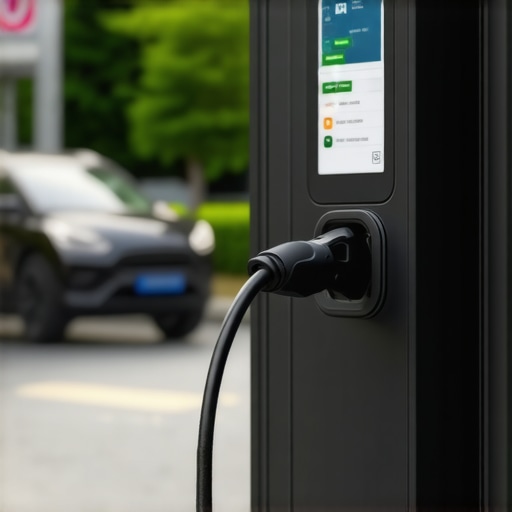

Stop the Throttling: 3 Fixes for 2026 EV Charger Heat Issues
It was a hot summer evening when I watched my EV charger suddenly shut down, displaying an error code I barely understood. Frustration bubbled up as I realized my charging session was interrupted just when I needed it most. That lightbulb moment—realizing heat could be the culprit—prompted me to dig deeper into what was happening with my setup. Turns out, heat-related issues are a common challenge for owners facing 2026 EV charging regulations. If you’ve experienced your charger overheating or tripping unexpectedly, you’re not alone. In fact, recent studies show that thermal shutdowns are among the top concerns for new EV charging systems, especially with evolving safety standards.
Assess Your Power Panel First
Start by inspecting your home’s electrical panel to ensure it can handle the increased load of EV charging. An overloaded or outdated panel often causes overheating and trips. Consider upgrading your panel to a 200-amp service for better flow and safety. Learn more about panel upgrades for EV chargers to see if your setup requires a boost.
Check for Proper Load Distribution
Distribute electrical loads evenly across circuits to prevent one branch from overheating. Utilize load management devices to monitor and balance demand, reducing stress on the system during peak charging times. For a detailed guide, review load management strategies.
Verify Code Compliance and Installation Accuracy
Ensure your EV charger installation adheres to local electrical codes, especially with the upcoming 2026 regulations. Improper wiring or absent surge protection can cause overheating and violations. Consult verification procedures to confirm compliance and safety.
Inspect Wiring and Connections
Loose or damaged wiring leads to heat buildup and may trigger breaker trips. Use a thermal camera or touch cautiously to identify hot spots. Tighten connections as needed and replace frayed wires. For common wiring pitfalls, see wiring errors that cause circuit failures.
Monitor and Upgrade the Charging Equipment
Heat can also originate from the charger itself if it’s not rated for continuous high-demand use. Consider installing a charger with integrated thermal management or upgrading your existing unit for better airflow and cooling. For guidance on selecting appropriate chargers, check charger troubleshooting tips.
Implement Effective Ventilation and Cooling
Place chargers in well-ventilated areas, away from direct sunlight or confined spaces. Installing fans or passive cooling vents can significantly reduce operational heat. Proper ventilation prolongs the lifespan of your equipment and maintains safety standards.
Stay Updated on Regulatory Changes
Regulations around EV charging are evolving rapidly. Regularly review updates and ensure your setup meets the latest standards. Following authoritative sources like code compliance guidelines helps avoid costly rework and legal issues.
Consult Professionals Before Major Changes
When in doubt, hire licensed electricians familiar with 2026 regulations to evaluate your system. They can perform detailed inspections, recommend necessary upgrades, and ensure your charging station’s safety and compliance.
Many homeowners assume that following the basic electrical codes guarantees seamless EV charger operation, but in my experience, this oversimplification can lead to costly mistakes. One widespread misconception is that a simple inspection of the panel suffices to ensure code compliance. In reality, modern EV regulations introduced for 2026 have nuanced requirements, such as specific surge protection measures and load balancing strategies, which are often overlooked. Neglecting these can cause non-compliance during inspections, resulting in rework or fines. For an in-depth understanding, check out code compliance guidelines.
Another myth is that troubleshooting a malfunctioning EV charger is straightforward—often, owners rely on generic reset procedures or power cycling, believing these are comprehensive fixes. But complex issues like ground faults or communication errors require advanced diagnostic steps, which, if skipped, leave the underlying problem unresolved. A common pitfall is failing to verify proper wiring in line with recent code updates—things like dedicated circuits and surge protection are now mandatory; otherwise, your setup may not qualify during official inspections. Explore expert troubleshooting tips for more.
Beyond myths, technical mistakes during panel upgrades can be detrimental. For example, many assume that increasing amperage capacity alone suffices for future-proofing but neglect the importance of load management systems that dynamically balance multiple EVs and household demand. Without these, your upgraded panel risks tripping during peak loads, defeating the purpose of the upgrade. Modern standards emphasize the integration of intelligent load controllers—for expert guidance, see load management strategies.
A hidden nuance that often catches homeowners off guard is the new requirement for surge suppression devices at the panel and outlet level. Many miss this detail, assuming it’s optional, yet it’s now a critical component for safety and compliance—especially in areas prone to power surges or lightning strikes. Ignoring this can lead to equipment failure or breach of code, further complicating future upgrades or warranty claims. For a comprehensive overview, review panel safety standards.
To sum up, navigating EV code compliance, troubleshooting, and panel upgrades involves more complexity than many realize. It requires attention to detailed requirements, awareness of evolving standards, and strategic planning. Have you ever fallen into this trap? Let me know in the comments, and remember: staying informed is the best defense against costly mistakes.To keep your EV charging setup performing optimally over time, investing in the right tools and adopting disciplined maintenance routines are crucial. I personally rely on a thermal imaging camera to identify hot spots in electrical panels and chargers, which helps prevent overheating before it results in trips or damage. This portable device offers real-time surface temperature readings, allowing me to catch potential issues early, making maintenance both proactive and effective. Regular inspections using such tools can drastically reduce unexpected failures and extend equipment lifespan.
Prioritize Software Monitoring and Firmware Updates
Maintaining your charger isn’t just about hardware checks; software plays a pivotal role. I recommend enrolling your EV charger in manufacturer-supported monitoring platforms when available. These platforms often alert you to firmware updates that fix bugs, improve efficiency, and enhance compatibility with newer vehicles. For example, manufacturers are rolling out updates to address smart charging and grid integration concerns, which are becoming more relevant with evolving standards. Keeping firmware current ensures your system remains compliant with regulations like those outlined in expert troubleshooting tips.
Schedule Routine Physical Checks
I set monthly reminders to verify wiring connections, inspect ventilation pathways, and clean dust accumulating on vents or filters. Over time, even minor dust buildup or loose screws can compromise cooling and cause thermal issues. A simple visual inspection combined with a thermal camera scan once a quarter can help identify subtle problems before they cause a shutdown. Remember, maintaining good airflow significantly prolongs the lifespan of your charger and prevents thermal shutdowns, especially during heatwaves or prolonged use.
Partner with Certified Professionals for Periodic Upgrades
As regulations evolve—particularly with the upcoming 2026 standards—it’s wise to schedule periodic professional evaluations of your entire system. Certified electricians can perform detailed safety audits, verify code compliance, and recommend component upgrades such as surge protectors or load management systems. I advise contacting trusted experts who are familiar with regional codes through links like verification procedures. Moving forward, I predict smart diagnostic tools paired with AI will increasingly automate maintenance alerts, making long-term management even easier.
How do I maintain EV chargers and panels over time?
Establishing a routine involving thermal imaging scans, firmware updates, visual inspections, and periodic professional audits helps keep your system reliable. Investing in smart monitoring tools and staying informed about new standards—like those found in panel upgrades—ensures your setup remains compliant and efficient for years to come. Don’t wait for a failure—act now by integrating a thermal camera into your maintenance routine to catch problems early and save yourself future headaches.
What I Wish I Knew Before My First EV Panel Upgrade
The most surprising lesson I learned was how crucial surge protection and load management truly are—assuming standard inspections suffice can lead to costly oversights. It took my experience with thermal shutdowns to realize that little details, like proper wiring and ventilation, make all the difference. Trust me, the complexity of 2026 regulations is often underestimated, and being proactive saved me a lot of headaches.
Tools That Changed My Approach to EV Safety
Investing in a thermal imaging camera was a game-changer. It allowed me to spot heat buildup early, preventing shutdowns. Also, regularly updating firmware through manufacturer platforms keeps your charger running smoothly and compliant. Lastly, consulting a trusted licensed electrician for periodic audits ensures I stay ahead of emerging standards—these tools and resources form my personal safety toolkit, which I highly recommend.
Empowering Your EV Journey—Take Action Today
Remember, understanding the nuances of code compliance, troubleshooting effectively, and managing your panel upgrades are vital for safe, reliable home charging. Don’t wait for problems to appear—educate yourself, utilize trusted tools, and seek expert advice. Your commitment now ensures seamless, safe EV charging for years to come. Are you ready to take the next step toward safer, smarter EV home setup? Share your thoughts below and let’s build a community of confident EV owners.